

In U.S. fleet operations, hydraulic cylinders are often overlooked. But they are key to daily production. They affect fleet uptime, crew momentum, and customer satisfaction.
Hydraulic cylinders do important work. They lift loads, push material, and stabilize equipment. If one fails, it can cause big delays and lost hours.
Keeping cylinders in good shape is as important as planning budgets and staffing. They usually last 5,000–10,000 hours. But, real-world conditions can shorten their life.
Unplanned failures cost a lot more than planned maintenance. They increase operating expenses. This includes idle labor, rush orders, and emergency fees.
But, there’s good news. Studies show that good maintenance can cut downtime to 5%. This keeps equipment running longer and saves money.
Key Takeaways
- Hydraulic cylinders directly influence fleet uptime and daily jobsite output.
- Strong cylinder maintenance reduces hydraulic downtime and schedule risk.
- Typical cylinder life under normal conditions is often 5,000–10,000 hours, but conditions can change that.
- Unplanned failures drive operating expenses through idle labor, premium repairs, and expedited parts.
- Downtime can cascade into broader fluid power damage, increasing total cost of ownership.
- In U.S. fleet operations, preventive and predictive work can reduce downtime to as little as 5% in many programs.
Why Hydraulic Cylinders Are A Hidden Driver Of Fleet Uptime
Hydraulics are the muscle behind heavy equipment. When a cylinder extends, it lifts a dump bed, swings a boom, or steadies an outrigger. This motion gives crews fast speed, control, and smooth power under load.
Heavy equipment uptime can hinge on one part because the cylinder often sits at the end of the work chain. A hydraulic cylinder failure on a loader’s lift circuit or an excavator’s stick can stop production on the spot. This leads to jobsite delays that affect everyone from operators to trucks to the next scheduled task.
In fleet management United States teams track outcomes with tight KPIs. When cylinders drift, slow down, or leak, the utilization rate falls. Machines spend more time waiting, reworking, or being swapped out. Scheduling reliability drops too, as small cycle-time changes can throw off haul counts, lift plans, and daily targets.
These effects show up in overall equipment effectiveness (OEE) through reduced performance and unexpected downtime. A boom that creeps, a bed that won’t hold, or a stabilizer that won’t lock can force a machine out of service for hours or days. This depends on the function it supports and the parts on hand.
What looks like a sudden stop is often a long build-up. Heat, dirty oil, side loading, worn seals, and small nicks on chrome can stack up over months. By the time the crew notices a hard-to-control movement, the system has already been losing efficiency and predictability.
| Cylinder role on the machine | Common drift or wear behavior | Operational KPI that takes the hit | Typical field impact on the day |
|---|---|---|---|
| Boom or lift cylinder | Slow raise, bypass under load, uneven speed | overall equipment effectiveness (OEE) | Longer cycles and fewer loads moved per hour |
| Bucket or tilt cylinder | Spongy response, cannot hold angle, small external leaks | utilization rate | More rework and slower finishing passes |
| Dump bed or tailgate cylinder | Bed won’t stay up, jerky motion, seal weep | scheduling reliability | Trucks queue, dispatch reshuffles, material flow stalls |
| Outrigger or stabilizer cylinder | Drift while set, won’t lock, pressure loss | heavy equipment uptime | Work pauses for safety checks and equipment changeout |
Top U.S. fleets treat cylinder reliability as an operating edge, not a maintenance detail. Every down hour cuts output and adds friction across the plan. When hydraulic system performance stays consistent, the site runs on time and the schedule stays believable.
Some Cylinder Maintenance Basics
As you probably know, cylinder maintenance is key to keeping things running smoothly. It changes the old “run it until it fails” way of thinking. This new approach helps keep schedules on track, controls costs, and keeps workers safe.
Heavy-equipment cylinders usually last between 5,000 to 10,000 hours. But, their lifespan can vary greatly. It depends on how often they’re used, where they’re used, and how quickly small problems are fixed.
Good maintenance is more than just changing filters. It also means keeping fluid clean, checking rods and tubes, and looking at seals. It’s about lubricating, aligning, and checking pressure. And fixing small problems before they get worse.
Predictive maintenance adds a layer of planning. It uses oil analysis and checks for leaks and temperature. This way, maintenance happens when it’s needed, not just on a schedule. Regular reports help spot patterns, like when and how problems happen.
Having a solid maintenance plan can really cut down on downtime. Some places aim for just 5% downtime.
| Program focus | What gets checked | What triggers action | How it supports uptime |
|---|---|---|---|
| Preventive maintenance | Fluid level and cleanliness, filters, external leaks, rod finish, pin wear, lubrication | Hours, shifts, or fixed intervals matched to duty severity | Fewer surprise failures and steadier hydraulic cylinder lifespan through consistent basics |
| Condition-based maintenance | Seal seepage trends, contamination flags, temperature drift, vibration and misalignment clues | Measured thresholds and inspection findings | Targets the cylinders most at risk and avoids unnecessary service stops |
| Predictive maintenance | Oil analysis history, cycle counts, pressure trends, component wear signatures | Forecasted failure windows based on data trends | Plans repairs into schedules and improves downtime reduction with fewer emergency callouts |
| CMMS reporting | Work orders, parts usage, repeat failure codes, time-to-repair, asset history | Recurring patterns and cost spikes across assets | Sharpens maintenance strategy by showing which fixes last and which ones don’t |
Early Warning Signs And Root Causes Behind Unplanned Downtime
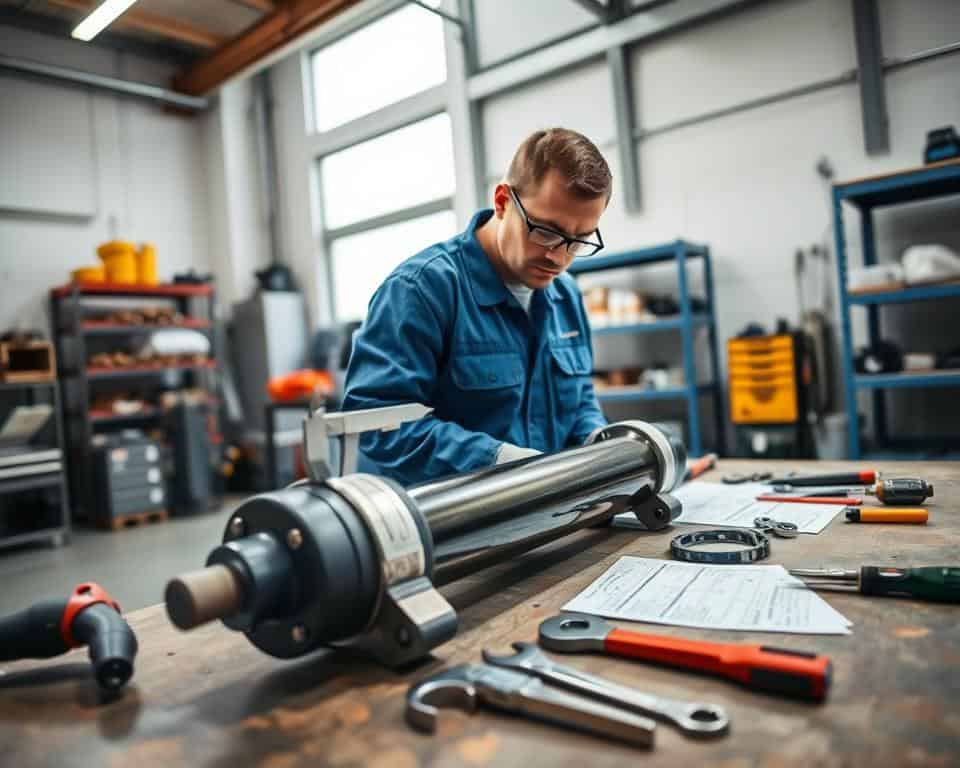
Unplanned stoppages rarely come out of nowhere. A small hydraulic cylinder leak can start as a damp film at the wiper and end as lost pressure, drift, and a hard shutdown. In most fleets, seal failure is the repeat offender because it builds slowly under heat, load, and friction.
Surface damage speeds that timeline up. Rod scoring cuts a path across the sealing surface, while rod pitting creates tiny craters that hold grit and moisture. Both defects make it harder for seals to maintain a tight fit, making it tough in dusty sites or wet, corrosive yards.
Alignment issues do damage even when nothing looks “broken.” Misalignment and side-loading twist the rod and load the bearing unevenly, which raises wear and heat. Over time, that stress can mask itself as a slow loss of control, then show up as an internal bypass that steals force without an obvious external drip.
Operations often see the symptoms first. Abnormal noises, sluggish motion, and cycle time changes tend to appear before a full failure, in high-intensity work like mining, large-scale construction, and steel handling. When the cylinder runs hotter than normal, it can point to friction, poor lubrication, or a fluid issue that is already costing efficiency.
Oil health is another quiet driver. Hydraulic contamination can be as simple as fine dust, water, or metal particles, but it grinds away at surfaces and shortens seal life. Watching fluid condition and filtration performance helps explain why the same machine may run well for months, then suddenly start drifting or losing holding power.
Quick repairs can also plant the seed for the next outage. Poor tolerances, mixed components, or a rushed finish on the rod can turn a minor issue into recurring leaks and repeat downtime. A structured inspection that links symptoms to root causes is often more useful than swapping parts and hoping the problem stays gone.
Teams can track early indicators in the field and tie them to what they see during teardown. The checklist in warning signs your hydraulic cylinder needs aligns well with audit-style walkarounds that catch problems early. in warning signs your hydraulic cylinder needs aligns well with audit-style walkarounds that catch problems early.
| What you notice | What it often points to | Why it leads to downtime |
|---|---|---|
| Fresh oil at the rod or gland, even a small drip | hydraulic cylinder leak tied to early seal failure | Pressure loss grows, heat rises, and control degrades during lifts and holds |
| Slow drift under load or weak holding ability | internal bypass across the piston seal | Cycle accuracy drops and the machine may fail safety checks during operation |
| New scratches, dull lines, or corrosion marks on the rod | rod scoring or rod pitting from debris or moisture | Seals lose contact, leakage accelerates, and wear spreads to bearings |
| Uneven wear patterns or frequent seal replacements | misalignment or side-loading | Parts wear faster than planned, driving repeat stoppages and rework |
| Jerky motion, noise, or cycle time changes | Shifting friction, trapped air, or changing oil properties | Productivity drops first, then failures follow when heat and wear stack up |
| Dark, milky, or gritty oil and clogged elements | hydraulic contamination, poor fluid condition, weak filtration performance | Accelerated wear across seals and surfaces, raising the odds of sudden breakdowns |
The Real Cost Of Poor Cylinder Upkeep On Operating Expenses
Poor cylinder upkeep quickly shows up in operating expenses. Small leaks and seal wear can slow down cycle speed and control. This makes crews work harder, raising heat and pressure, which can cause bigger failures.
When a 30-ton excavator breaks down, the cost is immediate. The daily operating cost is $500–$1,000, covering fuel, labor, and overhead. With 250 operating days a year, one breakdown can disrupt the whole schedule.
Downtime also means idle labor. Operators, truck drivers, and grade crews may stay on the clock while tasks are reshuffled. Rental stand-ins, extra supervision, and jobsite overhead add to the cost.
Unplanned events often lead to expedited parts and premium shop time. Overnight freight, after-hours callouts, and rushed troubleshooting increase emergency repair costs. Vendors may have limited stock, stretching the outage and adding more downtime cost.
| Cost driver during a cylinder failure | Planning assumption | Direct cost range | What it tends to trigger next |
|---|---|---|---|
| Lost production | At least 1 full day down | $500–$1,000 based on excavator daily operating cost | Missed loads, resequenced tasks, delayed inspections |
| Emergency cylinder work | Unplanned repair event | $5,000–$20,000+ in emergency repair costs | Expedited parts, overtime, mobile service fees |
| Labor inefficiency | Crew remains scheduled | Varies by crew size and local rates | Idle labor, extra dispatching, added admin time |
| System knock-on damage | Continued operation with poor control or contamination | Varies by severity and component mix | Hydraulic component damage to pumps, valves, hoses, and seals |
Decision-makers want clear numbers. One unplanned cylinder failure can cost $500–$1,000 for downtime plus $5,000–$20,000+ for emergency repairs. This totals $5,500–$21,000+, before soft costs like change orders and rescheduling.
The real risk is damage to other hydraulic components. A damaged rod or contaminated fluid can wear out valves and pumps, leading to more outages. These repeated failures increase operating expenses and the total cost of ownership beyond budget expectations.
Preventing small failures and improving component life can save a lot. On a unit used 250 days a year, avoiding downtime and emergency repairs can save $25,000–$30,000. This keeps the total cost of ownership within budget.
Turning Scheduled Shutdowns Into A Strategic Reliability Advantage
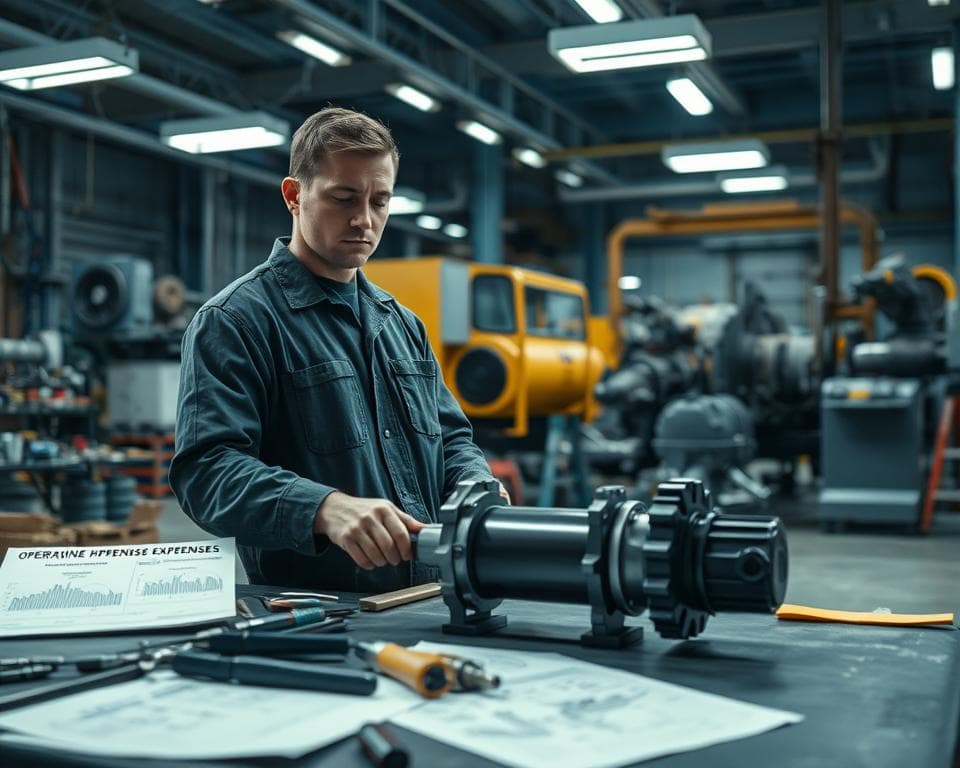
In construction and other high-pressure jobs, maintenance shutdowns can be more than a pause. When the timing is deliberate, they support a stronger reliability strategy for both hydraulic and pneumatic systems. The goal is to restart with fewer surprises, not just to “get back running.”
The difference comes down to how inspections are done. Cylinder audits should be audit-quality, not quick walk-arounds or a single pressure check. A structured review uses measurements, service history, and operating context to spot wear that is easy to miss.
During planned maintenance cycles, shutdown protocols focus on details that change outcomes. Rods are checked for scoring and corrosion. Seals are evaluated and tested for leakage, heat damage, and hardening. Alignments are verified so the cylinder is not forced to side-load when the machine returns to work.
When those findings are tied to rebuild scheduling, teams can act before the failure window closes. That also helps labor forecasting and parts staging, so the shutdown does not turn into a scramble. It keeps project commitments realistic because capacity planning is based on known condition, not guesses.
| Shutdown focus | What gets verified | How it supports predictive maintenance planning |
|---|---|---|
| Cylinder rod condition | Scoring, pitting, straightness, surface finish, contamination marks | Flags emerging wear trends early and prevents repeat seal damage after restart |
| Seal and bearing health | Leak paths, extrusion, swelling, hardening, wiper effectiveness, wear band fit | Guides rebuild scheduling and reduces avoidable rework inside planned maintenance cycles |
| Mounting and alignment | Pin fit, bushing wear, bracket distortion, side-load indicators, end-stop contact | Prevents stress loading that drives recurring faults and shortens service intervals |
| Documentation and action routing | As-found measurements, photos, runtime notes, failure codes, service history | Makes CMMS integration cleaner so trends can drive better predictive maintenance planning |
Digital follow-through is where the shutdown starts paying back. With CMMS integration, audit results move out of paper folders and into the same system that tracks work orders, fluid analysis, and runtime metrics. That makes it easier to see repeat issues, common root causes, and which assets are drifting out of spec.
The most useful shutdown output is not a standalone report. Findings should flow into work orders, service intervals, and rebuild scheduling so the next stop is already planned. That approach turns maintenance shutdowns into a consistent process, backed by data and parts staging that matches the fleet’s real condition.
Practical Ways To Reduce Downtime
Start with regular hydraulic fluid analysis, not just when a machine seems off. This can catch wear early. Keeping dirt and water out also helps avoid big problems.
Before opening hoses and fittings, clean them first. Also, check the condition of filters and breathers to avoid bringing in dirt.
Use lab data with quick preventive inspections. A simple startup checklist can spot issues early. Make sure to lubricate correctly and replace seals before leaks become big problems.
Training operators is key, even if you’re not in the cab. Teach them to report any changes or issues right away. Good habits like smooth operation and clean workspaces also help.
When buying equipment, look beyond the price. Choose items that are easy to service. This means less downtime and more reliable performance over time.